Tools We Use & Recommend
A curated set of digital marketing tools for local businesses organized by the 3S Framework: Structure, Signal, and Systems.
The foundation: making sure your website, listings, and profiles are set up correctly and actually work.
The content: the updates, posts, and answers that tell Google and customers what you do and what's new.
The automation: tools that run on a schedule so things keep happening even when nobody's logged in.

1Password
We have walked into businesses where passwords to key applications sit in open documents anyone on staff can open. One business printed their passwords and shared credit card details with employees. 1Password holds every login in one place, and staff use a login without seeing the actual password. It flags weak or reused passwords across every account tied to the business.

Apple Business Connect
Different from the six above. This one surfaces a business passively, the same way Google Business Profile does. An iPhone user asking Siri for a plumber pulls from this listing whether or not anyone updated it recently. Claiming it and leaving it alone still does something. That's why it keeps both tags while the social platforms don't.

Base44
Same vibe coding approach as Lovable, different strength. Base44 handles apps with actual functionality underneath: booking systems that check availability, dashboards, tools with a database doing real work behind the page. A gym could describe a class scheduling tool and get something that tracks capacity, not just a page that looks like it does. It asks more of the person using it. Simple requests still move fast. Anything with real complexity needs someone who understands what's happening underneath, which is usually the point where the business calls us instead of pushing further alone.

Beehiiv
Build a newsletter here and it comes with its own referral engine: readers who share it get rewarded, and Beehiiv can put your newsletter in front of other small publications in your niche without you cold emailing a single editor. Growth becomes something the platform does for you instead of something you manufacture every week by hand.
Bluehost
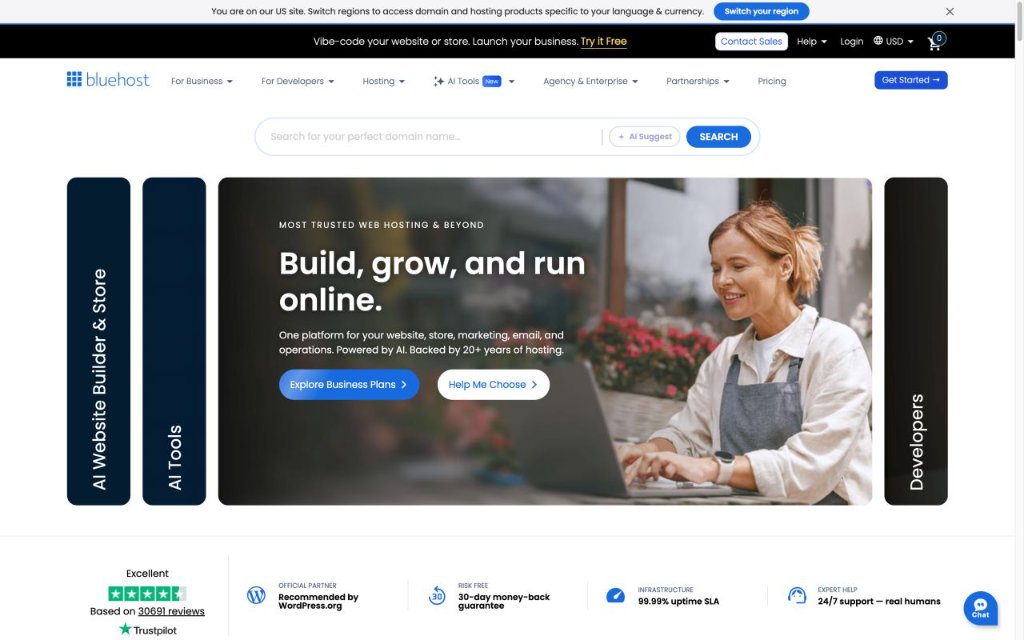
Hosting is the server space where a website's files actually live. Bluehost bundles hosting with domain registration and support, which costs more than piecing the two together separately and buys back the time and risk of managing DNS and server configuration alone. It works for a first website and gets restrictive once a business needs something specific: a plugin, backup control, a faster tier.
Bluesky
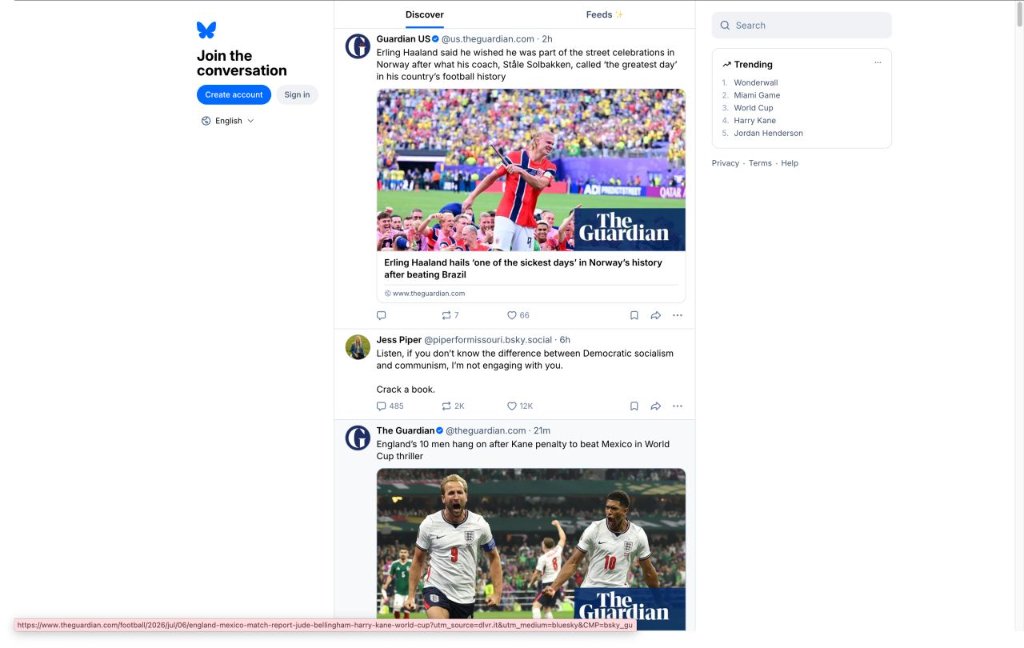
Claim the handle now while it costs nothing and most competitors haven't bothered. Posting here is a bet on where the platform goes, not a return happening today.
Canva
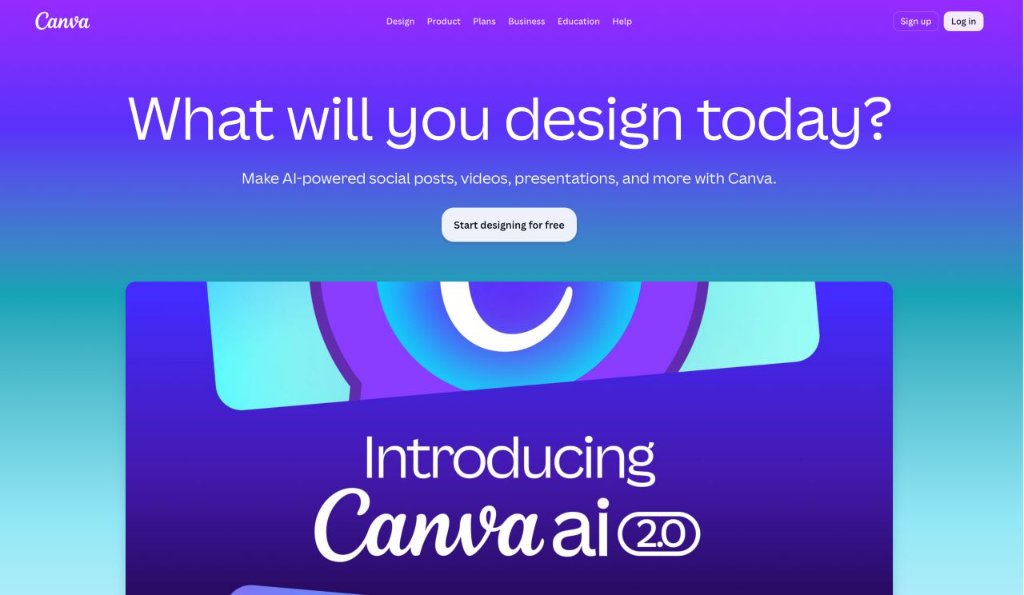
A brand kit inside Canva holds your logo, colors, and fonts in one place so every flyer, business card, and social graphic looks like it came from the same business instead of five different ones cobbled together over the years. That's the Structure piece: one set of assets, used consistently, instead of a logo file someone's cousin made in 2019 sitting next to a font nobody remembers choosing. The Systems piece lives in Canva's built-in scheduler. Design a week of Google Business Profile posts on a Sunday afternoon and queue them to go out automatically. You're not opening the app five separate times that week to remember what to post.
ChatGPT
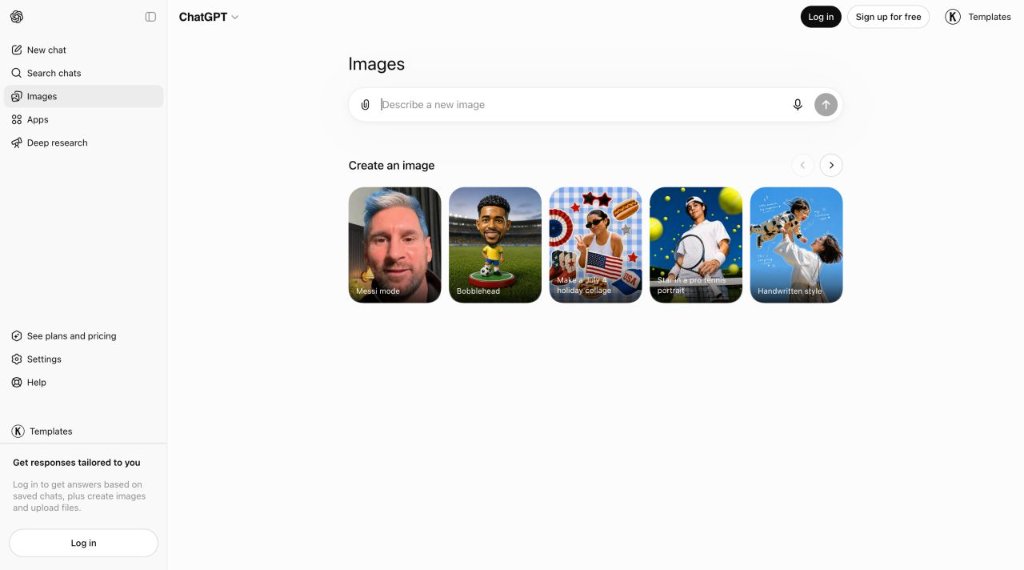
Type "best electrician in Northampton" into it and watch what comes back. If your business isn't in that answer, you now know something most owners never find out: the AI systems people are starting to ask instead of Google have no idea you exist. Ask it what a good version of your website copy sounds like for your trade. Ask it to draft ten questions your customers are probably searching for right now.

ChatSEO
Hand it what you already wrote and it tells you whether anyone's actually searching for those words, or whether you've built a page nobody will ever type their way into.
Claude
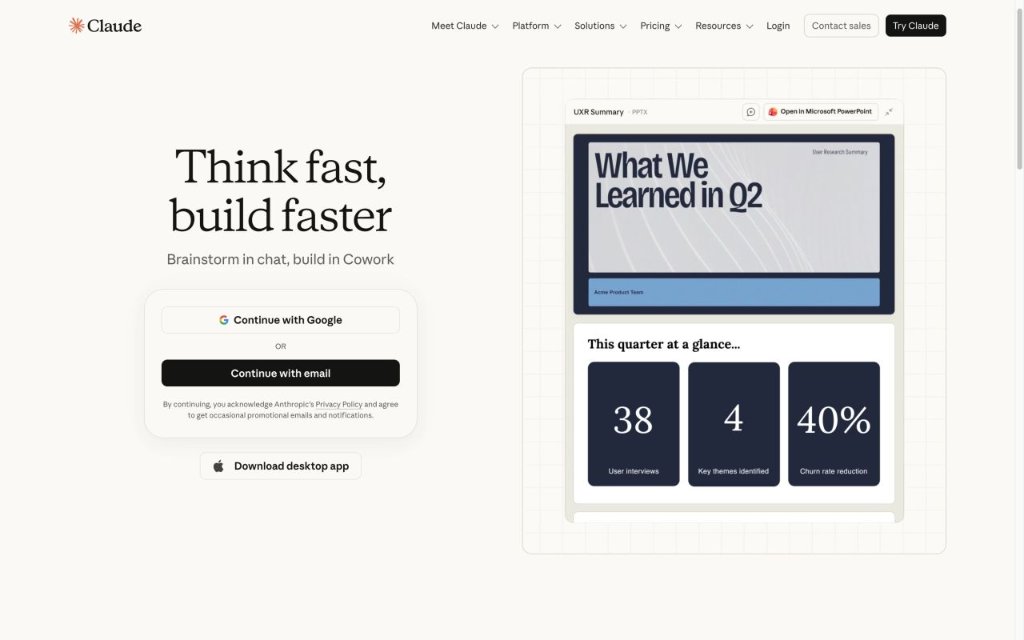
Feed it the actual questions your customers ask, pulled from a review or a call you took last week, and have it help you answer that question in writing. That's the difference between guessing what people want to read and building a page around what they already told you they wanted to know.
ClickUp
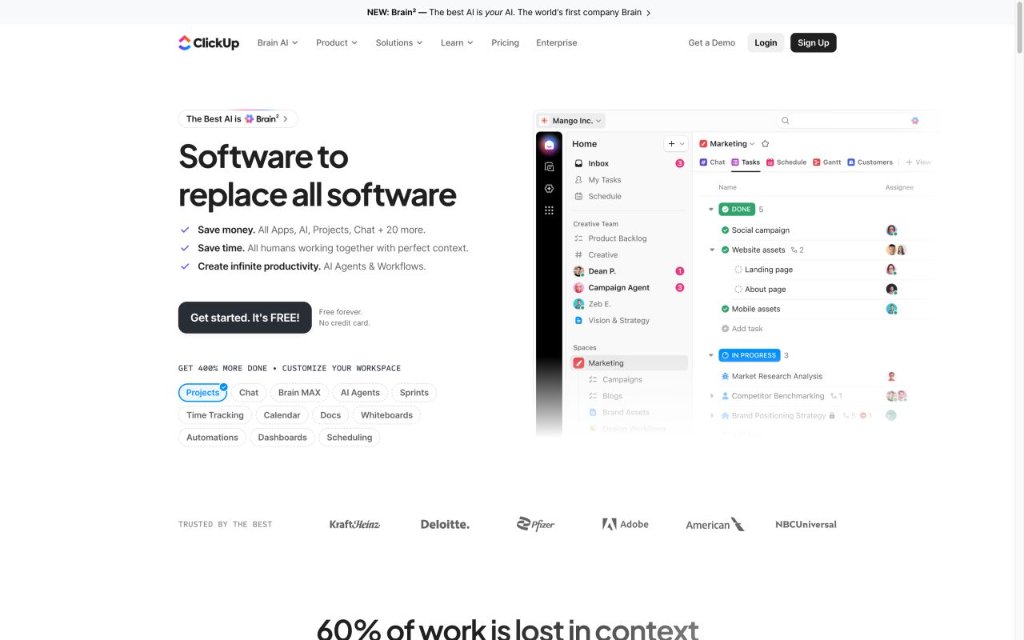
Most people know ClickUp as a project management tool. When you open it, you see a list of tasks first, columns like To Do, In Progress, Done. That part is easy to figure out on your own. The real value sits behind it. Build a form on your website and every submission turns into a task automatically: a name, a job assigned, a follow-up date, all set without anyone checking an inbox to catch it. A nonprofit running volunteer sign-ups can build that one form and never touch the process again. Docs are the other piece worth knowing about. Write down how something gets done once, store it there, and a new hire reads it instead of asking around and getting five different answers.
Emergent
Emergent sits closer to Base44 than Lovable: built for tools with moving parts, not just a page that displays information. Where it separates itself is handling multiple connected pieces at once, a booking flow tied to a payment step tied to a confirmation email, without three separate tools stitched together by hand. Getting something built fast is not the same as knowing it will hold up, stay secure, or keep working after the tenth change six months from now. Fast and durable are different problems. Vibe coding solves the first one.
Not sure which marketing tools to choose?
Book a free audit and we'll help you pick the right tools for your business.
Book Your Free Audit